Solar technology has advanced steadily over the past decade, and efficiency has become one of the most closely watched factors when comparing different panel options. When people talk about efficiency, they’re referring to the percentage of sunlight a panel can convert into usable electricity. Higher efficiency often means better performance in limited spaces, improved output in varied conditions, and a stronger overall return on investment. Understanding how efficiency rankings work—and what they actually mean in real‑world use—helps consumers make choices that fit their energy needs, budgets, and long‑term goals.
Solar panels differ widely in design, materials, and manufacturing processes, which is why efficiency percentages aren’t identical across brands or models. A panel with 22 percent efficiency performs very differently from one rated at 17 percent, even if both take up the same amount of roof space. These numbers matter most when roof area is limited or when maximum energy production is a priority, but they’re also useful indicators of panel quality and technology.
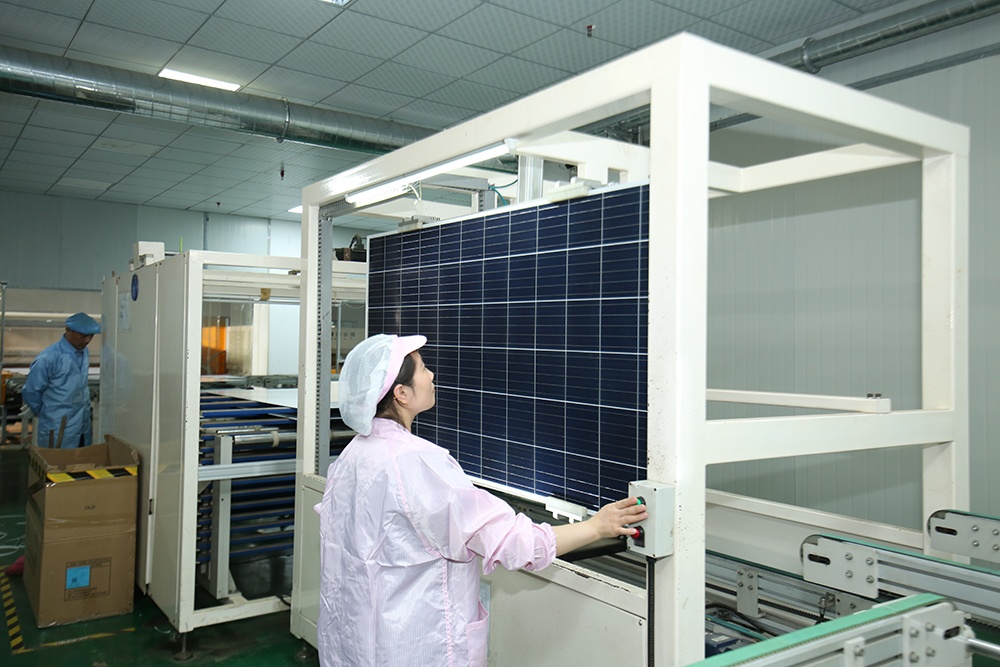
Several factors influence a panel’s efficiency ranking. Cell structure plays a major role. Monocrystalline panels, known for their uniform dark appearance, generally achieve the highest efficiencies among consumer‑grade panels. Their cells are cut from a single, pure silicon crystal, allowing electrons to move more freely. Polycrystalline panels, recognizable by their bluish, speckled surface, use multiple silicon fragments melted together. This structure is more affordable to produce but doesn’t perform quite as efficiently. Thin‑film panels offer flexibility and low weight but usually fall at the lower end of the efficiency spectrum.
Beyond the type of cell, innovations such as passivated emitter rear cell (PERC) technology, half‑cut cells, and multi‑busbar arrangements improve how effectively panels capture and move electrical current. These design features reduce internal resistance and minimize energy loss during operation. When comparing products, consumers often find that panels equipped with these enhancements appear higher on efficiency ranking lists.
Environmental conditions also affect how panels perform outside controlled laboratory settings. Efficiency ratings are based on standardized testing conditions, but real installation sites experience shifting temperatures, partial shading, cloud cover, dirt build‑up, and seasonal changes in sunlight. Panels with high temperature coefficients, for example, lose more efficiency on hot days. A panel with a strong efficiency rating but a poor temperature tolerance might perform worse in consistently warm regions than a slightly lower‑ranked panel with better heat resistance. Understanding these additional performance metrics helps consumers avoid relying solely on the headline efficiency percentage.
Another element worth considering is degradation rate, the gradual loss of output that occurs as panels age. All panels experience some level of degradation, but premium models often decline more slowly. A panel with a low degradation rate maintains its efficiency advantage over decades of use. When efficiency rankings account for long‑term performance, some brands shift positions because their 25‑year projected output differs significantly from their initial performance.
Manufacturers often highlight their highest‑performing panels in brochures or comparison charts, and efficiency rankings tend to focus on those flagship models. These top‑tier panels typically incorporate cutting‑edge cell designs, strong encapsulation materials, and robust back‑sheet construction. For consumers, high efficiency usually comes with a higher price tag, but the added cost can be justified for homes with limited mounting space or for those who want to maximize power production on constrained roofs.
That said, efficiency is only one part of the decision‑making process. A slightly lower‑efficiency panel from a reputable brand can still outperform a higher‑efficiency panel if it has better durability, stronger warranties, or superior heat resistance. Real‑world production depends on a blend of factors that efficiency rankings alone can’t fully communicate.
When reviewing solar panel efficiency rankings, it helps to understand some of the common benchmarks used by testing organizations and manufacturers:
• Standard Test Conditions (STC) establish a baseline for comparisons. These include a specific temperature (25°C), irradiance level, and air mass. Efficiency percentages are derived from these consistent measurements.
• Nominal Module Operating Temperature (NMOT) gives a more realistic performance expectation under typical outdoor conditions. Panels often operate at higher temperatures than STC, and efficiency drops as temperatures rise.
• Power tolerance indicates how closely actual panel output aligns with the rated wattage. Panels with positive tolerance guarantees assure that output will meet or exceed the listed rating.
• Temperature coefficient measures how much efficiency declines per degree rise in temperature. A lower coefficient means stronger performance on hot roofs.
Looking closely at each manufacturer’s product line can also help identify trends. Some brands consistently dominate top efficiency rankings year after year, often due to investments in research and improved cell technologies. For consumers, this consistency can signal reliability and long‑term stability. Others may introduce a single high‑efficiency model but maintain more standard performance across the rest of their lineup.
Warranty coverage adds another layer to evaluating efficiency. A strong performance warranty shows confidence in long‑term panel output. Many high‑efficiency panels come with performance guarantees stating that the panel will produce a certain percentage of its original output after 25 years. Differences of even one or two percentage points add up significantly over time. Coupling high efficiency with low degradation and strong warranties creates a package that offers reliable performance for decades.
Installation quality also influences how effectively the efficiency of a panel translates into actual power production. Even the most efficient panel cannot perform to its full potential if it is partially shaded, mounted at an improper angle, or installed with mismatched inverters or connectors. This is why many consumers pair efficiency considerations with installer reputation. An experienced installer understands how to position panels for optimal exposure, select compatible equipment, and ensure long‑term system reliability.
Another practical consideration is how efficiency rankings relate to system size. Higher‑efficiency panels produce more power per square foot, allowing homeowners to install smaller arrays that meet the same energy needs as larger systems made from lower‑efficiency modules. This matters when roof space is limited by dormers, vents, skylights, or design constraints. In dense urban areas, small‑lot homes often rely heavily on efficient modules to reach their energy goals.
Cost remains an important factor for many consumers, and efficiency plays into cost‑benefit analysis in several ways. High‑efficiency panels tend to cost more upfront, but they can provide stronger long‑term energy production. For homes with ample roof space, moderate‑efficiency panels may offer a better cost‑to‑output ratio. For homes with minimal usable space, the investment in high‑efficiency models may be the most practical route to achieving desired production levels.
As solar technology becomes more common, efficiency improvements continue to emerge. Manufacturers explore new materials, such as heterojunction (HJT) cells and tandem designs that stack layers to capture more of the solar spectrum. These technologies push efficiency percentages upward, though they can be more expensive than standard silicon panels. Keeping an eye on developing trends helps consumers anticipate what might become available in the future, especially for those planning phased installations or upgrading existing systems.
Another aspect to watch is how efficiency rankings consider durability. Panels face varied weather conditions—heavy rain, snow loads, strong winds, and UV exposure. High‑efficiency cells must be paired with durable encapsulation and frames to maintain long‑term reliability. When examining rankings, it helps to look at product testing certifications such as IEC standards for mechanical load, hail resistance, and potential-induced degradation. Strong ratings in these categories suggest that the panel maintains its efficiency advantage through daily exposure to the elements.
Cleaning practices also influence long‑term efficiency. Dust, pollen, and debris accumulate on panel surfaces, reducing the amount of light that reaches the cells. Most households only need occasional rinsing or light cleaning to maintain optimal performance. Some panels incorporate coatings that reduce dirt buildup, which helps preserve their efficiency and maintain strong rankings over time.
For those comparing panels for commercial projects, efficiency rankings play an even bigger role. Commercial installations often aim to maximize output per square foot on rooftops, carports, or limited ground‑mount areas. Higher‑efficiency panels allow businesses to generate more electricity within restricted spaces. This can affect the financial return, especially when electricity costs are high or when the system size directly relates to tax incentives, rebates, or energy credits.
Monitoring technology also contributes to how consumers interact with efficiency. Modern solar systems often come with real‑time monitoring apps that show energy production throughout the day. These tools allow owners to see how their panels perform under varying conditions. Although efficiency is a fixed panel characteristic, monitoring provides insight into how well the system is converting sunlight into power and whether maintenance or cleaning might boost performance.
Ultimately, understanding solar panel efficiency rankings helps consumers make informed choices, but the key is seeing efficiency as part of a larger picture. Actual performance depends on panel design, durability, installation quality, environmental conditions, and long‑term reliability. Efficiency rankings provide a strong starting point for comparison, and when paired with careful evaluation of additional specifications, they guide consumers toward systems that match their needs and expectations.
Solar panels are long‑term investments, and selecting models with strong efficiency rankings gives homeowners confidence in steady performance. By examining efficiency numbers alongside other practical factors, consumers can choose panels that deliver dependable output, support household energy goals, and maintain strong results for years to come.

 Call us : +86 13905633017
 Mail us : info@hssolar.com
 Add : Industrial Zone, Ningguo, Xuancheng, China
 Support for IPv6 networks