N‑type solar technology has been gaining steady attention as homeowners, businesses, and utility providers look for ways to boost energy output and long‑term system reliability. While many people are familiar with traditional P‑type solar panels, the shift toward N‑type cells marks one of the most meaningful advances in photovoltaic development in recent years. Their higher efficiency, slower degradation, and impressive performance in a range of environmental conditions have positioned them as the preferred choice for premium solar systems.
To understand why N‑type technology is earning this reputation, it helps to take a closer look at how the cells are designed. Solar panels are built from semiconductor materials, and in most conventional panels, the cells use P‑type silicon, which relies on boron as its main doping element. N‑type cells, on the other hand, use phosphorus. This seemingly small change in composition gives N‑type cells their defining advantages, especially when it comes to longevity and energy performance.
One of the most significant strengths of N‑type technology is its resistance to light‑induced degradation. Many P‑type panels experience a noticeable drop in efficiency within their first year due to interactions between boron and oxygen in the silicon. N‑type cells avoid this issue entirely because their chemical structure does not allow the same reaction to occur. The panels maintain their rated efficiency more reliably, which is critical for users who expect consistent output and strong long‑term returns.
Another advantage is the high level of efficiency N‑type panels can achieve. These cells are often paired with advanced technologies such as TOPCon and heterojunction structures, which help capture more sunlight and convert it into usable electricity. Homeowners with limited roof space or shaded areas benefit from this boosted performance because more power is produced from each square meter of panel surface. For commercial systems, this improved output contributes to lower operational costs and higher overall system value.
Temperature performance is another area where N‑type panels stand out. All solar panels lose some efficiency as temperatures rise, but N‑type cells have a gentler performance drop compared with many P‑type designs. This makes them especially appealing in warm regions, where traditional solar systems may suffer during summer months. By maintaining stronger output in heat, N‑type systems provide more reliable energy throughout the year and offer added confidence in demanding climates.
Durability also plays a major role in the growing popularity of N‑type technology. Their natural resistance to metal impurities helps them retain their structural and electrical stability over long periods. Many manufacturers back these panels with extended performance warranties because the technology is consistently shown to age more gracefully than P‑type alternatives. A solar panel that experiences less degradation over two or three decades delivers more value and reduces the need for early replacement.
Many installers and system designers appreciate how N‑type technology opens the door to a variety of panel designs. Whether integrated into bifacial modules, shingled cells, or sleek black‑frame panels, the technology adapts well to different engineering approaches. Bifacial panels, in particular, make excellent use of N‑type cells. They capture sunlight from both the front and rear sides, boosting energy production in open spaces, reflective environments, or ground‑mounted systems. When paired with N‑type efficiency, bifacial systems can achieve impressive output figures that suit both residential and industrial settings.
Maintenance and reliability are equally important considerations. Because N‑type panels resist certain types of chemical reactions and impurity effects, they tend to maintain a more stable current and voltage profile over time. Systems with consistent production are easier to manage and integrate with storage, smart inverters, and load‑balancing tools. Consumers who prioritize dependable power throughout a long service life often choose N‑type modules for this reason.
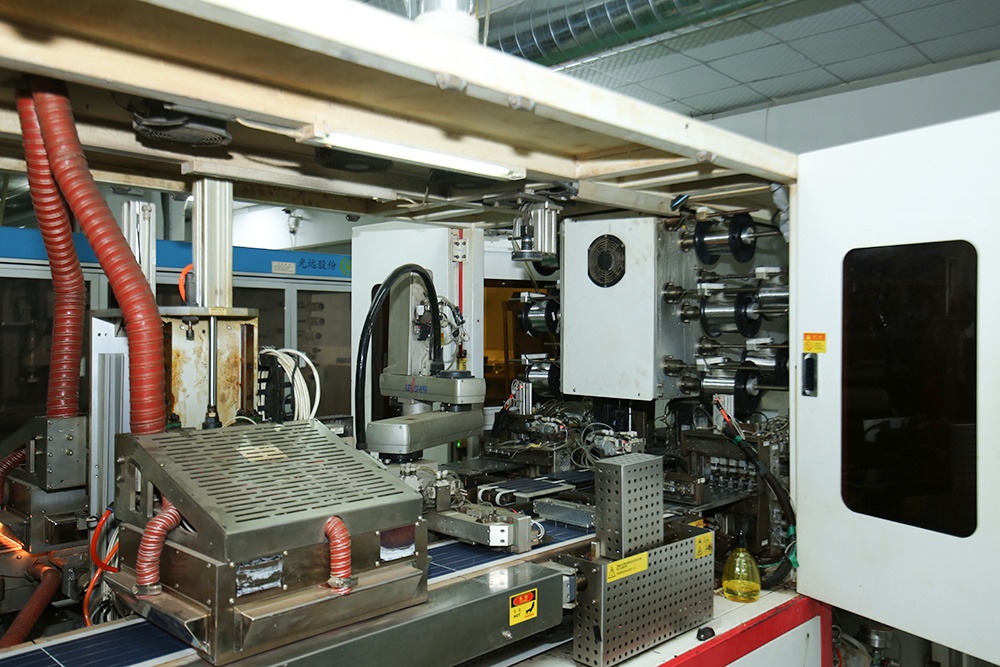
There is also a noticeable shift in how manufacturers are structuring their production lines. Investments in N‑type cell technology have increased substantially, leading to better scaling and more competitive pricing compared with earlier years when N‑type panels were considered a niche product. As fabrication techniques improve, these panels are becoming more accessible to everyday buyers without sacrificing the premium quality they’re known for.
While performance and longevity are central to the appeal, aesthetics shouldn’t be overlooked. Many N‑type panels are designed with uniform coloring and refined cell layouts, leading to a cleaner look on rooftops. Homeowners who value curb appeal often find that these panels offer a more polished appearance than older styles. This attention to both function and visual design has helped N‑type systems earn their place in architectural projects where appearance matters as much as energy output.
Another factor contributing to the rise of N‑type technology is its strong compatibility with modern solar storage solutions. Because the panels maintain higher production levels across the years, battery systems paired with them tend to charge more consistently. This results in more reliable nighttime and backup power, a crucial feature for regions experiencing grid instability or for households pursuing greater energy independence.
The environmental impact of N‑type technology also deserves attention. Higher efficiency equals greater electricity production using fewer panels, which reduces the amount of material needed per watt of output. Their slower degradation means fewer modules reach end‑of‑life prematurely. These qualities contribute to a cleaner, more resource‑efficient energy system that aligns well with ongoing efforts to improve sustainability throughout the solar supply chain.
Energy consultants often point out that N‑type technology aligns particularly well with long‑term investment strategies. Whether for a home or a large utility project, the goal is typically to generate the highest amount of energy for the lowest total cost over the life of the system. Because N‑type panels maintain strong production for decades, they help maximize returns in a predictable way. This reliability can be important not only for individual users but also for organizations planning large‑scale deployments or long‑horizon energy budgets.
For those evaluating various solar technologies, understanding the broader context of the shift toward N‑type cells is helpful. The move isn’t driven by marketing trends but by measurable performance improvements confirmed in field data and independent testing. Installers who work with both P‑type and N‑type panels frequently note that the latter perform better in low‑light conditions, early mornings, late afternoons, and cloudy weather. Greater sensitivity in these conditions helps smooth daily production curves and supports more balanced system output.
As adoption grows, N‑type panels are expected to become more widely available across residential, commercial, and utility markets. Their adaptability to different climates, mounting systems, and application types gives them an edge in a variety of settings. Whether installed on rooftops, integrated into carports, used in agricultural landscapes, or deployed in large solar farms, they bring consistent benefits in output and reliability.
N‑type technology represents one of the most meaningful steps forward in photovoltaic performance, offering a blend of efficiency, stability, and long‑term value that suits both modern energy needs and the expectations of high‑quality solar system owners. With their strong resistance to degradation, dependable performance in heat and low light, and growing affordability, they have proven themselves a natural fit for premium installations.

 Call us : +86 13905633017
 Mail us : info@hssolar.com
 Add : Industrial Zone, Ningguo, Xuancheng, China
 Support for IPv6 networks